Bones may feel solid and unchanging, but they are living tissue that is constantly being broken down and rebuilt. Through childhood and early adulthood we build bone faster than we lose it. Later in life the balance slowly shifts, which is why everyday habits matter so much for keeping your skeleton strong and reducing the risk of fractures.
Feed your bones well
Calcium and vitamin D work together to build and maintain strong bones. Dairy foods, fortified plant milks, leafy greens, almonds, tofu and canned fish with soft bones are all good sources of calcium. Sensible time outdoors and foods such as eggs and oily fish help your body make and absorb vitamin D.
Keep moving and lifting
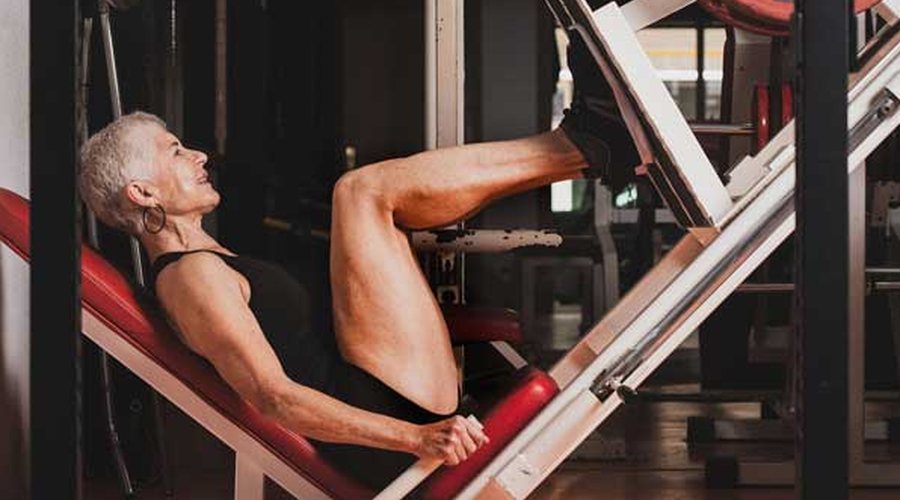
Bones respond to the work you ask of them. Weight-bearing activities like brisk walking, dancing and climbing stairs, along with gentle strength training, signal your bones to stay dense and strong. Balance exercises also help prevent the falls that most often lead to fractures.
Know your risk
Some people lose bone more quickly, including women after menopause, people with a family history of osteoporosis and those taking certain medicines. Smoking and heavy drinking also weaken bones. Your doctor can tell you whether a bone density scan is right for you and when to have it.
Everyday habits for stronger bones
Small steps that add up over time:
- Include a calcium-rich food with most meals
- Take a brisk walk or climb the stairs each day
- Add gentle strength exercises to your week
- Practice standing on one leg to improve balance
- Limit alcohol and stop smoking for good
The habits you build today become the strength you stand on tomorrow.
Sudden back pain, losing height or breaking a bone after a minor fall can be signs of weakened bones. Please book a check with our joint and bone team if you notice any of these.
Want to know how strong your bones are? Our joint and bone specialists can assess your risk and build a plan to keep you moving with confidence.